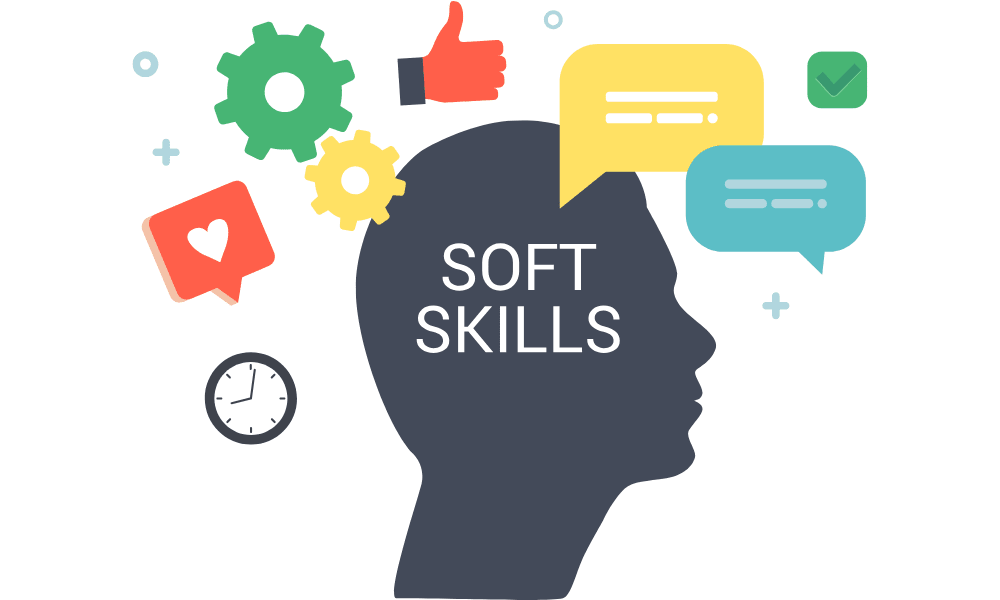
In today’s AI-driven world, where technology is supporting technical competence, career-focused tools and courses, one must also look after emotions, values, empathy and behaviour — what we commonly call soft skills or personal skills — in order to maintain individuality in this artificial world. While hard skills such as technical and career skills help us achieve our academic and professional goals, soft skills help us to thrive and sustain ourselves in the long run.
Soft skills help students, and individuals in general, to understand themselves better by giving clarity about what they want to do, defining their goals, and building the confidence to communicate and take steps in the right direction. They support better decision-making through critical thinking, time management and problem-solving, and gradually develop resilience so that one does not give up in the face of setbacks, but prepares for real-world challenges.
Key points:
- Maintains individuality in an AI-driven world
- Builds self-awareness and clarity of goals
- Develops confidence and communication skills
- Improves decision-making and critical thinking
- Builds resilience to handle challenges and setbacks
- Enhifies leadership and teamwork abilities
- Supports emotional control and professional behaviour
- Creates a positive and productive work environment
- Supports long-term career growth and success
Soft skills also develop leadership qualities, enabling students to lead, grow and guide others on a path of progress. With the right balance of technical skills, interpersonal skills and the advancement of AI, there is very little that students cannot achieve. Soft skills support them in the long term to reach the goals they have set for themselves and directly influence the path they choose.
They help individuals to interact effectively with colleagues, peers, clients and customers, and to remain practical and emotionally balanced in the workplace. By learning to manage emotions and behaviour, students can develop into better individuals who handle situations thoughtfully and confidently.
While hard skills are essential for performing any task, soft skills create a harmonious working environment, encourage collaboration and ensure productivity. Without soft skills, even the most technically skilled person may struggle to succeed if their mental well-being is poor, if they lack clarity, satisfaction or direction. Therefore, soft skills are not optional — they are essential for personal growth, professional success and a meaningful life.